Ameristar Casino Resort tower
High-rise hotel-and-gaming tower; full standpipe risers, fire pump, voice-evac, and kitchen-hood suppression across multiple restaurants and a large gaming floor.
Colorado Front Range • Gilpin County
Black Hawk packs more high-rise life-safety load into a square mile than almost anywhere in Colorado — casino hotel towers stacked into a mining canyon at roughly 8,000 feet, sitting a short climb above the historic 1800s masonry district on Gregory Street. The Ameristar, Monarch, and Saratoga towers each run full life-safety stacks: standpipes, fire pumps, voice-evacuation, and kitchen-hood suppression feeding round-the-clock gaming floors and restaurants. Red Rocks Fire Protection runs Black Hawk on a scheduled canyon route up Highway 119 from our Centennial shop, so a property with a thousand-occupant gaming floor gets NFPA 25 and NFPA 72 testing on a planned visit written to a report the Black Hawk Fire Department will accept the first time.
Black Hawk Fire Department is the Authority Having Jurisdiction for Black Hawk and conducts the fire inspections for commercial, multi-family, and institutional properties in the city. Its non-emergency line is (303) 582-0426, and permitting and code information is at https://www.cityofblackhawk.org/government/departments/fire. We schedule inspection and testing work with your on-site team and format every deficiency list to match what Black Hawk Fire Department’s prevention staff expect, so corrections get signed off without rework.
Black Hawk is tiny in footprint but enormous in occupant load — most of what we inspect is stacked into the casino hotel towers and the historic gaming row along Gregory and Main Streets. Below are the buildings and corridors our technicians cover most often on the canyon route.
High-rise hotel-and-gaming tower; full standpipe risers, fire pump, voice-evac, and kitchen-hood suppression across multiple restaurants and a large gaming floor.
Tall hotel-and-spa high-rise; multi-zone fire alarm, elevator recall, generator-backed life-safety power, and parking-structure standpipes.
Gaming floor with hotel rooms above; sprinkler-alarm interface, kitchen-hood systems, and high assembly occupant loads.
Original 1800s mining-era masonry storefronts and smaller casinos; retrofit sprinklers, standpipe hose valves, and heat-detection in unheated back rooms.
Dense row of mid-size casinos and bars along the creek; shared FDCs, sprinkler-obstruction issues, and assembly-egress alarm coverage.
Newer casino and parking-garage development up the grade; dry-pipe systems in unheated decks and freeze-prone risers.
Casino support buildings and offices set into the hillside; standpipe and alarm coverage across stepped floor plates.
Route linking the two mining towns; roadside gaming and service properties with monitored alarms and backflow on fire lines.
Creekside parcels through the canyon bottom; underground fire-line supply, hydrant-fed FDCs, and flood-and-freeze exposure on exterior valves.
The single canyon entrance from Golden; large casino surface lots, sign-mounted alarm strobes, and access-road standpipe planning.
Multi-level casino parking decks; dry standpipes, deck drainage, and cold-weather riser protection at altitude.
Sparse mountain residential above town; long-driveway access, monitored alarms, and NFPA 13D considerations on newer builds.
Every service below is run by NICET-certified technicians and batched into a single planned visit up Highway 119, with reports formatted to the Black Hawk Fire Department’s expected layout — so a casino floor’s corrections clear without a return trip through the canyon.
Sprinklers, standpipes, fire pumps, alarms, extinguishers, and hood suppression — each system on its own code cadence, batched into a scheduled canyon visit and documented in one Black Hawk Fire Department–formatted report.
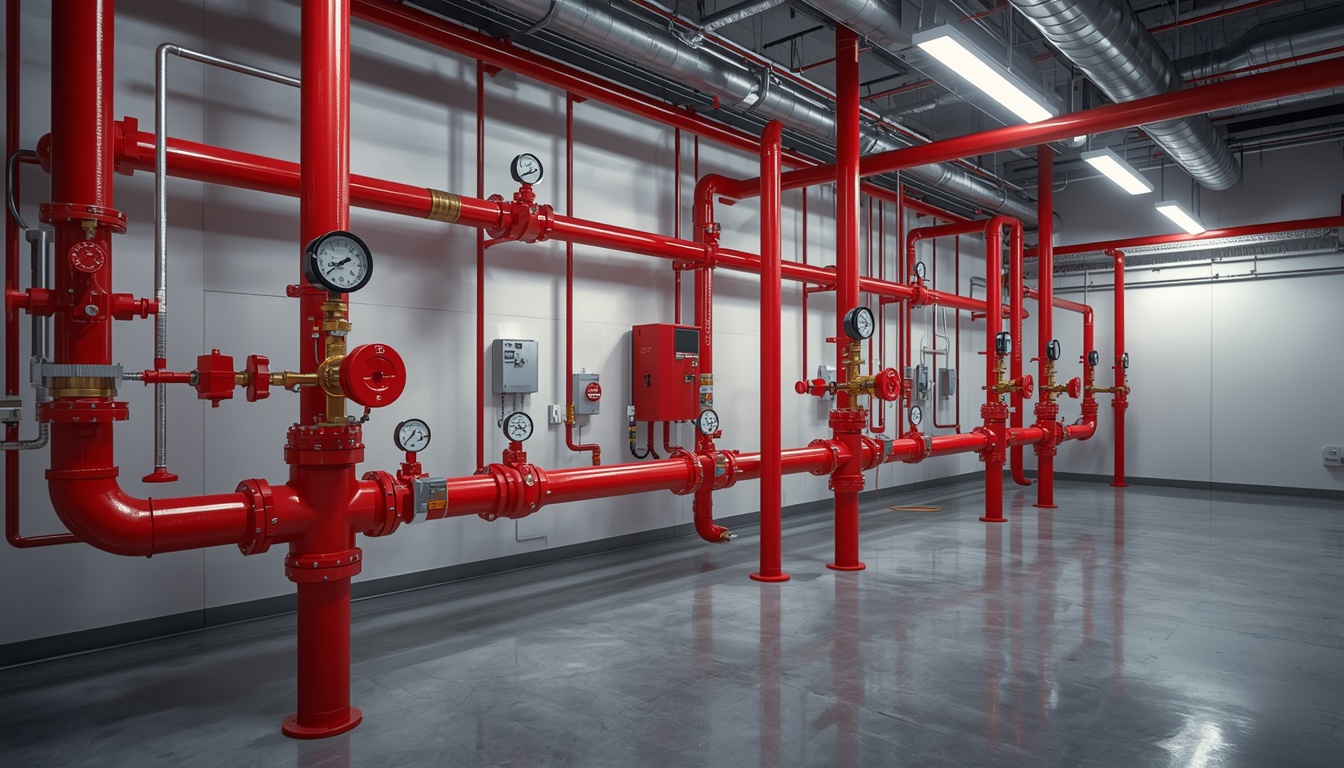
Wet, dry, and preaction sprinkler systems plus the Class I standpipe risers that run every floor of the casino towers, exercised per NFPA 25 and NFPA 14 — main-drain tests, valve supervision, and hose-valve checks with a prioritized deficiency list.
Annual NFPA 20 / NFPA 25 flow tests on the diesel and electric fire pumps that feed high-rise standpipes and sprinkler zones in the Ameristar, Monarch, and Saratoga towers, with churn, rated, and peak-flow readings recorded.
Initiating devices, notification appliances, voice-evac amplifiers, elevator recall, and generator transfer tested to NFPA 72 — the full mass-notification chain a gaming floor needs to clear a thousand occupants in a single canyon exit.
UL-listed central-station monitoring with signal verification and direct dispatch to the Black Hawk Fire Department, sized for properties that never close and cannot rely on staff to notice a trouble signal overnight.
Annual cross-connection testing on fire-line, domestic, and irrigation backflow preventers, with the certification filed to the water authority — and freeze-protection checks on the exterior assemblies that a canyon winter at 8,000 feet punishes.
Annual inspections, six-year maintenance, twelve-year hydrostatic testing, and on-site recharging across Class A through Class K, including the Class K units required at every casino-restaurant cook line.
UL-300 wet-chemical and Ansul R-102 systems inspected, tested, and tagged per NFPA 96 and 17A across the multiple restaurants inside each casino tower — high-volume cook lines that run nearly around the clock.
High-occupancy pre-plan work with the Black Hawk Fire Department, standpipe and fire-pump acceptance coordination, and deficiency-correction project management for casino, hotel, and historic-district owners scheduling around gaming operations.
These are the recurring deficiency categories we document across Black Hawk’s gaming towers and historic-district properties. None of this is a citation from a specific casino — it’s the pattern of findings a high-occupancy, high-altitude, freeze-exposed jurisdiction produces year after year.
At 8,000 feet in the canyon, dry-pipe systems in parking decks, attics, and unheated back-of-house spaces lose air pressure or ice at the low points. We check compressor cycling, low-point drains, and quick-opening devices, and flag heat-trace failures on exposed risers before a hard freeze trips a false discharge.
The high-rise towers depend on their fire pumps to push standpipe pressure to the top floors. Missed annual NFPA 20 flow tests, weak diesel start batteries, and pumps drifting below rated flow are among the most consequential findings — we run the full churn-rated-peak curve and document every reading.
Multiple restaurants per tower running near around the clock means grease loads build fast and UL-300 systems fall behind on semiannual service. We inventory every hood by hazard class and flag fusible-link, nozzle-alignment, and gas-shutoff issues before a citation.
A gaming floor with a thousand occupants and one canyon exit needs intelligible voice-evac in every zone. Amplifier faults, dead speaker circuits, and un-commissioned zones after a floor remodel are recurring findings — we verify audibility and message routing zone by zone.
Slot-machine reconfigurations, signage, and seasonal décor on casino floors routinely crowd sprinkler deflectors below the required clearance. We measure to the inch and document the correction so the fire department approval is fast.
Missing FDC caps, seized standpipe hose valves, and damaged pressure-reducing valves on the tower risers let debris in and fail an inspection outright. We carry replacements and repair the risers that firefighters would actually pull hose from.
Sprinklers and standpipes threaded through unheated 1800s masonry on Gregory Street sit in cold, uninsulated cavities. We flag freeze-vulnerable runs, corroded heads on old piping, and heat-detection gaps in the stone back rooms these buildings are known for.
Black Hawk’s building stock splits sharply into two eras. The modern half is casino hotel high-rises — the Ameristar, Monarch, and Saratoga towers — each carrying a complete life-safety stack: standpipe risers on every floor, an NFPA 20 fire pump, multi-zone voice-evacuation, elevator recall, generator-backed emergency power, and UL-300 kitchen-hood suppression over the gaming-floor restaurants. The historic half is 1800s mining-district masonry along Gregory Street and Main Street, much of it converted to smaller casinos, bars, and assembly space, where retrofit sprinklers and standpipe hose valves have been threaded through unheated stone shells. Everything sits at roughly 8,000 feet in a narrow canyon on North Clear Creek, so dry-pipe systems, freeze-prone risers, and heat-traced FDCs are the norm rather than the exception, and multi-level parking structures on the mesa carry their own dry standpipes and cold-weather protection.
The Black Hawk Fire Department is the AHJ for the City of Black Hawk in Gilpin County. It conducts on-site fire inspections and reviews sprinkler, standpipe, fire-pump, and alarm submittals, with particular scrutiny on the high-occupancy casino hotel towers. Confirm the department’s current permitting and scheduling line directly with the City of Black Hawk.
Yes. Black Hawk sits about an hour up Highway 119 through the canyon from Golden, and we run it on a scheduled route from our Centennial shop rather than as an on-demand metro call. We batch a property’s sprinkler, standpipe, fire-pump, alarm, and hood inspections into a single planned visit so a casino only coordinates around its gaming floor once.
Gaming floors run 24/7, so we schedule NFPA 25 and NFPA 72 work around the lowest-occupancy windows and coordinate with security and facilities so notification testing, main-drain tests, and fire-pump flows don’t disrupt play or force an unnecessary evacuation. Where a system must go offline, we set up a documented fire watch first.
Under NFPA 25 as adopted locally, standpipe systems get annual and five-year tests, and fire pumps require a weekly or monthly no-flow (churn) test plus an annual flow test running the churn, rated, and peak-flow points. In a high-rise where the pump is the only thing pushing water to the top floors, we treat the annual pump test as the anchor of the whole inspection.
At roughly 8,000 feet in a narrow canyon, Black Hawk runs cold for much of the year, so dry-pipe systems, freeze-protected risers, and heat-traced fire department connections are standard. We check compressor cycling, low-point drains, and heat trace on every dry system and exterior backflow assembly, because a frozen low point or a failed trace line is what causes an off-season pipe break.
The 1800s masonry buildings along Gregory and Main Streets carry lighter systems than the towers, but converted gaming, bar, and assembly use still requires sprinklers, standpipe hose valves, alarms, and hood suppression on any cook line. Retrofits threaded through unheated stone need extra attention to freeze exposure and corrosion on older piping.
Yes. NFPA 96 and the IFC require automatic hood, duct, and plenum suppression over commercial cook lines, and each casino tower runs several high-volume restaurants. UL-300 wet-chemical systems are the current standard; we inspect and tag them semiannually because near-continuous cooking drives grease loads and service intervals faster than a typical restaurant.
Because Black Hawk is up the canyon rather than inside the Denver metro, we don’t advertise a 90-minute window here. We run planned service routes and coordinate urgent repairs — a failed fire pump, an impaired standpipe, a system taken offline — with the property so a fire watch covers the gap while a technician is dispatched from the metro.
Choosing the right life safety partner for your properties is about more than maintaining systems and meeting requirements. It's about having a local team you can trust to communicate clearly, advocate for you, stay ahead of compliance, and take responsibility for protecting your people and property across the Front Range.
At Red Rocks Fire Protection Services, we want to be more than another vendor. We want to be your trusted life safety partner for years to come.
Ready to start the conversation? Call us at (720) 733-8050 or Contact Us to connect with our team.
Want to learn more about what makes Red Rocks Fire Protection Services different?
Explore the pages below to discover our commitment to safety, our purpose, and the promises that guide every relationship we build.