Conifer Marketplace
The main grocery-anchored commercial pad on US-285; kitchen-hood suppression, tenant sprinkler coverage, and backflow on the shared fire line are recurring scopes.

Colorado Front Range • Jefferson County
Conifer sits at about 8,300 feet along the US-285 corridor, an unincorporated Jefferson County mountain community where most properties draw their fire-flow from a well and a cistern rather than a hydrant grid. Elk Creek Fire Protection District is the authority that inspects and permits fire-protection systems here, from the commercial pads at Conifer Marketplace down to the large-acreage homes on wooded lots toward Aspen Park and Pine Junction. We build our route up 285 on a scheduled cadence so mountain properties get the same NFPA-driven inspection and reporting that a metro building would, without waiting on a call center that has never driven the grade.
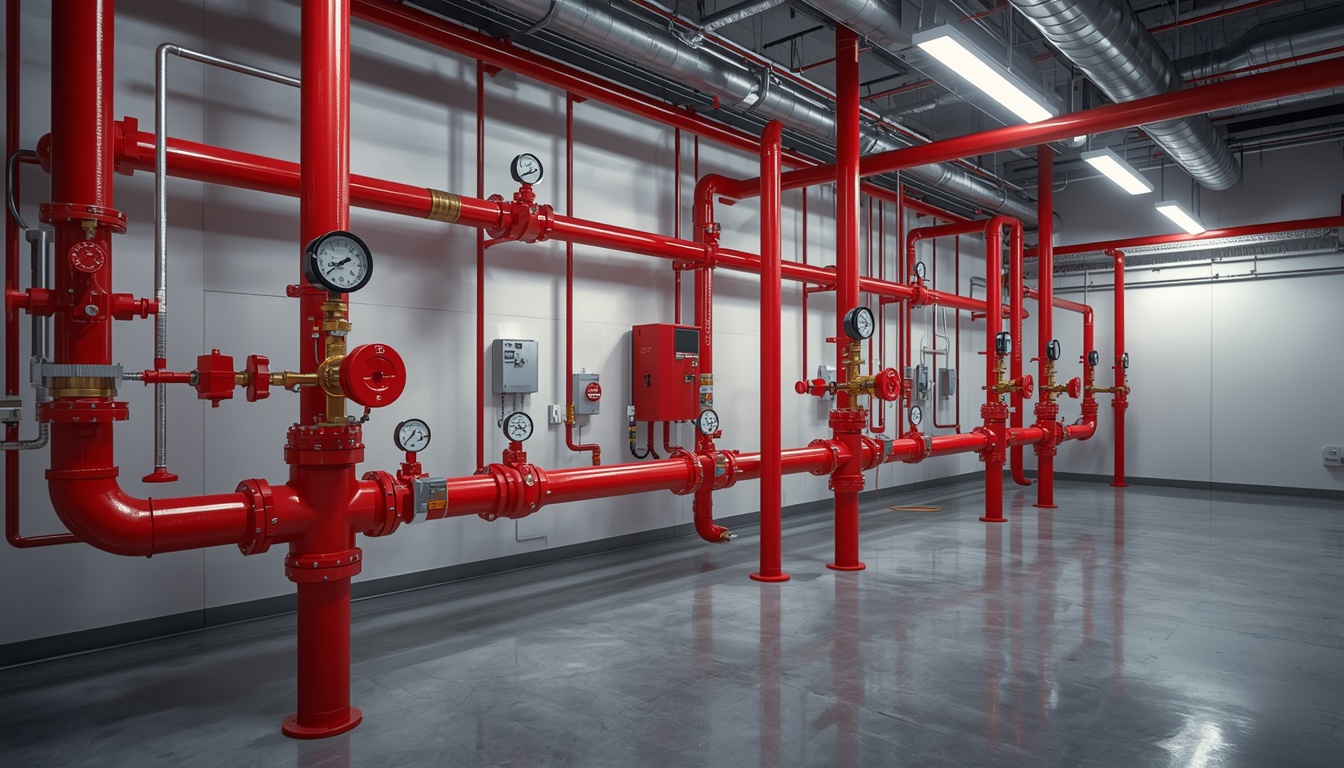
Elk Creek Fire Protection District is the Authority Having Jurisdiction for Conifer and conducts the fire inspections for commercial, multi-family, and institutional properties in the city. Its non-emergency line is (303) 816-9385, and permitting and code information is at https://elkcreekfire.org/. We schedule inspection and testing work with your on-site team and format every deficiency list to match what Elk Creek Fire Protection District’s prevention staff expect, so corrections get signed off without rework.
Conifer runs along US-285 as a string of small commercial pads and wide residential acreage rather than a dense downtown. Below are the named areas and corridors we cover on our scheduled mountain route, from the commercial cluster at Conifer Marketplace and Aspen Park to the large-lot subdivisions spread through the wildland interface.
The main grocery-anchored commercial pad on US-285; kitchen-hood suppression, tenant sprinkler coverage, and backflow on the shared fire line are recurring scopes.
Small-format retail, office, and restaurant strip along 285; Ansul hood systems and wet-sprinkler tenant spaces on well-and-cistern supply.
US-285 / CO-126 junction with fuel, convenience, and light commercial; extinguisher and dry-system work on unheated storage buildings.
Large-acreage wooded lots with heavy wildland interface; NFPA 13D residential sprinkler and monitored alarm work sized to cistern fire-flow.
Established mountain subdivision; propane-fed homes where suppression and detection are coordinated around gas-appliance hazards.
Steep forested parcels off 285; seasonal and part-time homes where dry systems and freeze protection matter in unheated wings.
Custom homes on well/cistern supply; residential sprinkler retrofits at remodel and monitored smoke/heat detection.
High-elevation lots with long driveways; alarm monitoring and 13D systems where fire-district access time drives the design.
Named for the district; wooded acreage with propane storage and defensible-space concerns feeding into detection scope.
Ranch-style acreage community; outbuildings and barns often need dry-pipe or antifreeze-loop systems that freeze without attention.
The commercial spine through town — offices, medical, and service businesses that carry full sprinkler, alarm, and extinguisher inspection cadences.
Rural interface parcels near open space; extinguisher service and monitored detection for homes far from a hydrant.
Every service below is run by NICET- or CSA-certified technicians on a scheduled mountain route up US-285, with reports formatted to Elk Creek Fire Protection District’s layout — and with the cistern fire-flow, propane, and freeze-protection realities of a Conifer property built into the scope rather than treated as an exception.
Sprinklers, alarms, extinguishers, backflow, and suppression on their own code-driven cadence, documented in a single Elk Creek–formatted report — with cistern or tank fire-flow recorded for every water-based system.
Wet, dry, preaction, and antifreeze-loop systems exercised per NFPA 25, with main-drain tests and freeze-protection checks on the unheated garages, shops, and barns that are standard on Conifer acreage.
Initiating devices, notification appliances, control panels, and secondary power tested to NFPA 72 by NICET-certified technicians — coordinated on our scheduled 285 route so a mountain property is not left waiting on a one-off trip.
UL-listed central-station monitoring with signal verification and direct dispatch into Elk Creek Fire Protection District — the coverage that matters most on long-driveway lots where response time up the grade is measured in minutes, not blocks.
Annual cross-connection testing on fire-line and domestic backflow preventers, including the assemblies that protect a shared commercial fire line at Conifer Marketplace and the well-fed systems on residential cisterns.
Annual inspections, six-year maintenance, twelve-year hydrostatic testing, and on-site recharging for Class A through Class K — a practical fit for propane-served homes, shops, and the restaurants along Aspen Park.
UL-300 wet-chemical and Ansul R-102 systems inspected, tested, and tagged per NFPA 96 and 17A — the recurring scope for the restaurant and grocery-deli tenants in the Conifer Marketplace and Aspen Park commercial pads.
Dry-pipe conversions, antifreeze-loop maintenance, and low-point drainage for unheated barns, detached garages, and seasonal wings — the elevation-and-freeze problem that catches part-time Conifer owners at the first hard cold snap.
Pre-plan review with Elk Creek Fire Protection District, water-supply and fire-flow calculations for well/cistern sites, and deficiency-correction management for wildland-interface properties and small-commercial owners on 285.
These are the recurring deficiency categories we see across Conifer and Aspen Park properties. None of this is a citation from a specific property — it is the pattern of findings our technicians document and correct most often on this mountain jurisdiction, where stored water, propane, and freeze exposure change what fails first.
Unheated barns, detached garages, and seasonal wings at 8,000-plus feet freeze fast when a low point holds water. Failed trip tests and ice-blocked lines are the top water-based finding here — we drain low points, verify air pressure, and confirm antifreeze-loop concentration before the first hard freeze.
Homes and small commercial on well-and-cistern supply need a verified available fire-flow, not an assumption. We measure and record tank draw and refill so the NFPA 13/13D system on file actually matches the water the property can deliver.
Propane-fed heat, cooking, and shop equipment change the hazard mix, and portable extinguishers are frequently missing, wrong-class, or long past their annual tag on Conifer acreage. We inventory by hazard class and tag or recharge on-site.
Sealed lead-acid backup batteries carry a 4–5 year life, and cold mountain equipment rooms shorten it. Failed load tests are a common finding — we track every panel’s battery age and replace before the annual test rather than after a failure.
The restaurant and grocery-deli tenants at Conifer Marketplace and Aspen Park sometimes still run pre-UL-300 wet-chemical systems. Elk Creek flags them for replacement at tenant turnover — we inventory hood systems by hazard class and flag UL-300 conversions ahead of a lease renewal.
Long driveways, snow storage, and missing or damaged FDC caps slow the district’s crews and can fail an inspection outright. We install replacement caps on the spot and note access and turnaround issues that affect how fast Elk Creek can reach the building.
Fire-line and domestic backflow assemblies on shared 285 commercial pads and well-fed residential systems require annual testing by a certified cross-connection tester. We file the certification and keep the district’s copy current.
Conifer’s building stock is mostly large-acreage single-family homes on forested lots, many built as full-time residences and a meaningful share held as seasonal or part-time mountain property. Heating and cooking run on propane rather than natural gas, and domestic and fire-protection water usually comes from a private well feeding a storage cistern or tank, so fire-flow is a fixed, calculable number rather than a municipal main. Commercial building is concentrated in a few US-285 nodes — Conifer Marketplace, Aspen Park, and Pine Junction — with grocery, restaurant, medical, office, and service tenants. Detached garages, barns, shops, and storage buildings are common and frequently unheated, which is why dry-pipe and antifreeze-loop sprinkler systems show up far more here than in the metro. Elevation and long stretches of unoccupied seasonal use make freeze risk and defensible-space wildland exposure the two facts that shape almost every system on the mountain.
Elk Creek Fire Protection District is the AHJ for the Conifer and Aspen Park area of unincorporated Jefferson County. Elk Creek conducts on-site fire inspections and issues permits for commercial, assembly, and applicable residential fire-protection work along the US-285 corridor. Because Conifer is unincorporated, there is no separate city fire department — the protection district is the authority you file with.
Yes. We run a scheduled route up US-285 rather than treating Conifer as a one-off trip, so a mountain property gets the same NFPA inspection cadence and reporting a metro building would. When you book, we slot you onto the next planned visit to the corridor, which keeps travel from inflating the cost of a single test on a remote lot.
Most Conifer properties store their fire-protection water in a cistern or tank fed by a private well, so available fire-flow is a fixed, calculable number rather than whatever a municipal main can push. We measure tank draw and refill and document that fire-flow as part of every water-based system report, and we size or verify NFPA 13 and 13D systems against the water the property can actually deliver.
At roughly 8,300 feet, unheated garages, barns, shops, and seasonal wings freeze quickly, and a wet-pipe sprinkler line in an unheated space will burst. Dry-pipe systems and antifreeze loops keep those areas protected without standing water to freeze. We convert, maintain, and freeze-check them — including draining low points before winter, which is where most cold-weather failures start.
Seasonal and part-time homes carry two risks the metro rarely sees: freeze damage in unoccupied heated-then-unheated periods, and a fire that goes undetected while nobody is on-site. Monitored alarm and smoke/heat detection with central-station dispatch to Elk Creek covers the second, and dry-system or antifreeze-loop protection plus verified freeze protection covers the first. We can schedule inspections around the seasons you occupy the property.
Yes. NFPA 96 and the IFC as adopted in Colorado require automatic fire-extinguishing systems for commercial cooking operations, covering the hood, duct, and plenum. UL-300 wet-chemical is the current standard; older systems are grandfathered but typically need replacement at tenant turnover or major renovation. This is the most common suppression scope at the restaurant and grocery-deli tenants in Conifer Marketplace and Aspen Park.
Yes. We inspect, test, and maintain NFPA 13D residential sprinkler systems on Conifer acreage — most commonly in newer custom homes and at remodel in areas like Kings Valley, Meridian Hills, and Barkley Ranch. Because these systems run off a cistern rather than a hydrant, we verify the design against measured tank fire-flow, and we handle monitored residential alarm and detection on the same visit.
Conifer sits in a heavy wildland-urban interface, and the fire history of the Front Range foothills is a live concern for owners and the district. Interior fire protection — sprinklers, detection, and suppression — is one layer; it pairs with defensible space and access that the district reviews. We build detection and monitoring scope around long driveways and forested exposure, and we note access and turnaround conditions that affect how fast Elk Creek can reach the building.
Choosing the right life safety partner for your properties is about more than maintaining systems and meeting requirements. It's about having a local team you can trust to communicate clearly, advocate for you, stay ahead of compliance, and take responsibility for protecting your people and property across the Front Range.
At Red Rocks Fire Protection Services, we want to be more than another vendor. We want to be your trusted life safety partner for years to come.
Ready to start the conversation? Call us at (720) 733-8050 or Contact Us to connect with our team.
Want to learn more about what makes Red Rocks Fire Protection Services different?
Explore the pages below to discover our commitment to safety, our purpose, and the promises that guide every relationship we build.