Downtown / Central Business District
High-rise offices, hotels, assembly occupancies, and mixed-use towers with standpipes, fire pumps, voice evacuation, and smoke-control interfaces.
Colorado Front Range • City and County of Denver
Denver properties range from century-old masonry buildings and converted warehouses to high-rise offices, dense apartment communities, commercial kitchens, healthcare facilities, and distribution space. That variety creates very different life-safety needs from one block to the next. Red Rocks Fire Protection helps Denver owners and property managers keep sprinkler, alarm, extinguisher, suppression, monitoring, and backflow programs coordinated under one vendor — with documentation prepared for the Denver Fire Department’s requirements.
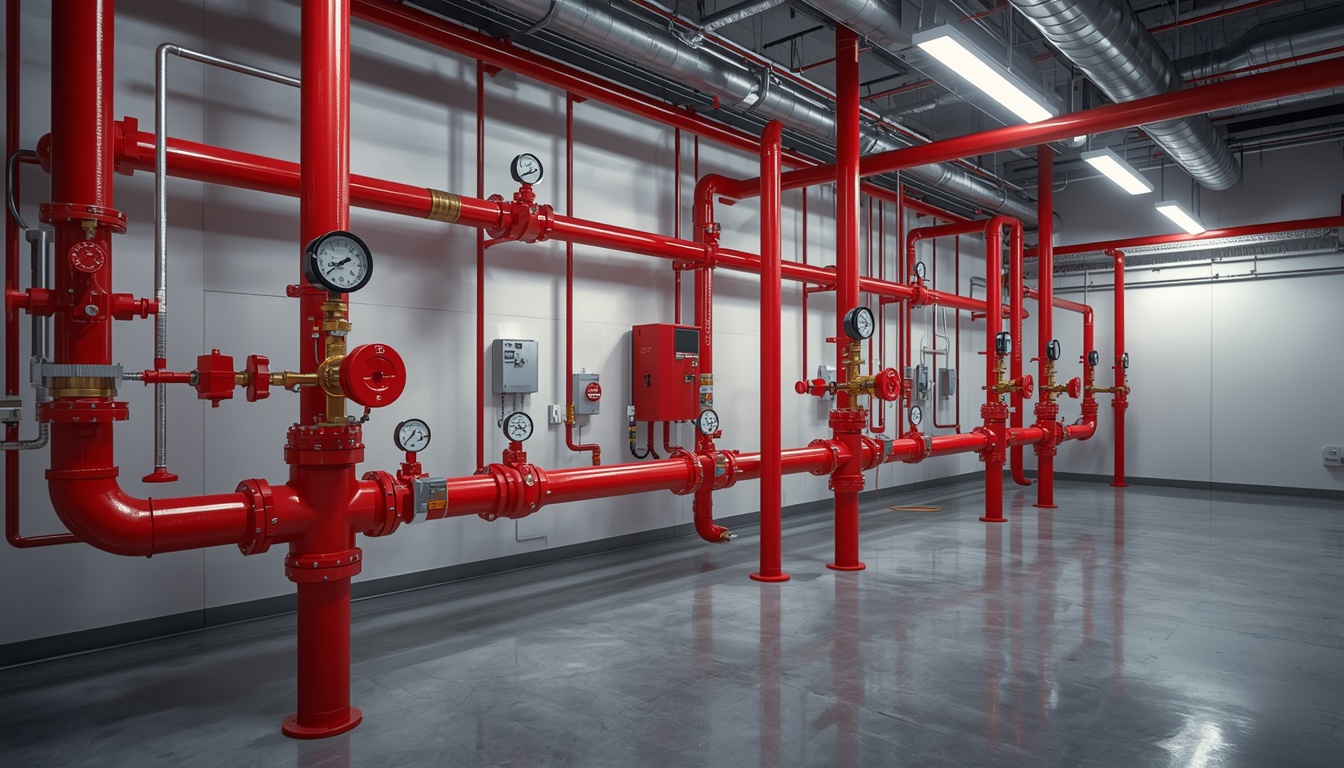
The Denver Fire Department Fire Prevention Division conducts Denver’s annual commercial occupancy inspections and administers fire-system permitting, plan review, acceptance testing, and technician licensing. Denver requires Fire Department licenses for people who design, install, modify, inspect, or test regulated life-safety systems. Construction permits are required for new or modified sprinkler, standpipe, fire alarm, fire pump, and other regulated systems; the Denver Fire Code also requires permits for many maintenance activities, subject to listed exceptions.
Our Denver service area spans the high-rise and historic core, neighborhood commercial districts, multi-family corridors, industrial properties along I-70, and the airport market. Each district has a different mix of building age, occupancy, and system complexity, so we scope the work around the property rather than applying a one-size-fits-all checklist.
High-rise offices, hotels, assembly occupancies, and mixed-use towers with standpipes, fire pumps, voice evacuation, and smoke-control interfaces.
Historic masonry buildings adapted for restaurants, offices, retail, and residential use; tenant changes often affect alarms, sprinklers, egress, and kitchen suppression.
Converted warehouses, new mid-rise apartments, breweries, galleries, and event spaces with changing hazards and occupancy loads.
Historic commercial buildings alongside new multi-family projects; system records, extinguisher access, and build-out coordination matter at turnover.
Retail, restaurants, hotels, offices, and multi-family towers with dense tenant turnover and interconnected fire-alarm and sprinkler scopes.
Older apartment and condominium buildings where common-area extinguishers, alarm devices, egress paths, and inspection logs require close attention.
Restaurants and neighborhood retail mixed with newer apartment and condominium projects; hood suppression and shared life-safety systems are common.
Older storefronts, entertainment venues, restaurants, and adaptive-reuse buildings with frequent tenant-improvement and change-of-use work.
Newer multi-family, schools, retail centers, medical offices, and large commercial properties with modern integrated systems.
Apartment communities, schools, neighborhood retail, and light-commercial properties across northeast Denver.
Warehouses, fabrication, logistics, and mixed industrial uses where storage configuration, commodity hazards, and fire access shape sprinkler requirements.
Hotels, logistics, warehouse, fleet, and airport-support facilities with larger system footprints and specialized operational hazards.
Denver Fire requires current local licenses for technicians who inspect and test regulated life-safety systems. We coordinate the systems under one service program and keep NFPA or Denver Fire forms, license information, and correction records organized for the property.
Code-driven inspection, testing, and maintenance for sprinklers, alarms, extinguishers, pumps, standpipes, backflow assemblies, and suppression systems — with clear reports for your property records and Denver Fire review.
Wet, dry, preaction, and standpipe systems tested on the required NFPA cadence, including valves, drains, fire department connections, pumps, and prioritized deficiency documentation.
Functional testing of initiating devices, notification appliances, supervising signals, control equipment, secondary power, and system interfaces, coordinated to limit disruption in occupied buildings.
Central-station monitoring and signal response for Denver properties, with account information, contacts, and dispatch procedures kept current as tenants and building staff change.
Fast response when a sprinkler or alarm system is impaired, including repair coordination, outage documentation, and guidance through Denver’s system-down reporting and fire-watch process.
Testing, repair, and documentation for fire-line and domestic backflow assemblies, coordinated with the applicable water provider and the fire-protection system’s service schedule.
Inspection, tagging, maintenance, hydrostatic testing, recharging, placement review, and logbook support for portable extinguishers throughout commercial and multi-family properties.
Inspection and service for commercial cooking suppression systems in Denver restaurants, hotels, commissaries, food halls, schools, and institutional kitchens.
Inspection and maintenance for clean-agent, carbon-dioxide, dry-chemical, and other special systems protecting data rooms, industrial processes, archives, and critical equipment.
Scope development, construction-permit coordination, acceptance-test preparation, and correction management for Denver tenant improvements, system modifications, and property transitions.
Denver Fire publishes several preventable violations for property teams to watch. The Denver-specific items below combine that guidance with documentation and system-impairment requirements in the Denver Fire Code.
Denver lists out-of-date extinguishers and unavailable logbooks among its common violations. We verify placement and condition, complete required service, and leave organized records on site for the next Fire Prevention inspection.
Denver requires egress pathways to remain at least 36 inches wide. Furniture, merchandise, deliveries, or stored material can turn an ordinary corridor into an inspection finding and a real evacuation hazard.
Added deadbolts, surface bolts, chains, or other tenant-installed hardware can prevent a door from opening with one releasing motion. We identify the issue early and coordinate the right correction before inspection.
Denver identifies storage outside designated areas as a common violation. Changes in stock, rack height, or room use can also alter sprinkler clearances and the hazard the original system was designed to protect.
Denver requires current building-access keys for fire-department use. Locks, tenants, alarm panels, and property managers change; the emergency-access set and contact list need to change with them.
Denver Fire Code Section 901.6.3 requires records of system installation, inspection, testing, and maintenance to remain on the premises using NFPA or Denver Fire forms, with the service provider’s Denver license number legible.
Denver requires notification whenever a fire alarm or sprinkler system is compromised. If the system remains down beyond 10 hours, a fire-watch permit is required; interruption of a fire water line triggers the fire-watch permit process immediately.
Denver’s building stock layers multiple eras of development: historic brick and masonry storefronts in LoDo, Five Points, Baker, and Capitol Hill; downtown high-rises with standpipes, fire pumps, voice evacuation, and smoke-control systems; converted RiNo warehouses now used as restaurants, offices, breweries, and event venues; postwar apartment communities; and rapidly growing mid-rise and high-rise residential construction. Industrial and logistics facilities cluster along I-70 and toward Denver International Airport. That mix makes tenant-improvement coordination especially important — a new wall, ceiling, storage arrangement, commercial cooking line, or change of occupancy can affect sprinkler coverage, alarm notification, egress, permits, and acceptance testing.
The Denver Fire Department Fire Prevention Division is the fire-code AHJ inside the City and County of Denver. It conducts commercial occupancy inspections and administers life-safety system permitting, plan review, acceptance testing, and licensing.
Denver publishes the 2022 Denver Building and Fire Code. The Denver Fire Code is based on the 2021 International Fire Code with local Denver amendments. Its referenced standards include the 2022 editions of NFPA 13, NFPA 13D, NFPA 13R, NFPA 20, and NFPA 72, plus the 2019 edition of NFPA 14.
Denver states that Fire Safety Inspections occur once per year for commercial occupancies, including businesses, schools, apartment buildings, and institutions. Marijuana facilities receive inspections twice per year. These city inspections are separate from the recurring system inspection, testing, and maintenance performed by a fire-protection contractor.
Yes. The Denver Fire Code requires Denver Fire Department licenses for people performing regulated design, installation, modification, inspection, testing, maintenance, and repair on life-safety systems and equipment. The required license category depends on the system and scope.
Denver requires construction permits before installing or modifying sprinkler, standpipe, fire-pump, alarm, and related systems. The code also treats many repairs and maintenance activities as permit work, while listing limited exceptions for minor work and approved emergency procedures. We confirm the scope before work begins and coordinate the appropriate permit path.
Notify the Denver Fire Department through its System Down Reporting website whenever a fire alarm or sprinkler system is compromised, and notify the monitoring company. If the outage exceeds 10 hours, Denver requires a fire-watch permit. Any interruption of a fire water line requires the fire-watch permit process immediately.
Denver Fire Code Section 901.6.3 requires records of system installations, inspections, tests, and maintenance to be maintained on the premises. Records must use NFPA forms or Denver Fire Department forms and show the service person’s name and Denver Fire Department license number legibly.
Denver is part of our core metro service area. We provide 24/7 emergency response and typically target arrival within 90 minutes for Denver Metro fire-protection emergencies, depending on technician location, traffic, site access, and the system involved.
Choosing the right life safety partner for your properties is about more than maintaining systems and meeting requirements. It's about having a local team you can trust to communicate clearly, advocate for you, stay ahead of compliance, and take responsibility for protecting your people and property across the Front Range.
At Red Rocks Fire Protection Services, we want to be more than another vendor. We want to be your trusted life safety partner for years to come.
Ready to start the conversation? Call us at (720) 733-8050 or Contact Us to connect with our team.
Want to learn more about what makes Red Rocks Fire Protection Services different?
Explore the pages below to discover our commitment to safety, our purpose, and the promises that guide every relationship we build.