Ridge at 38 (38th Avenue District)
Wheat Ridge’s main street — small restaurants, breweries, and converted storefronts where change-of-use triggers hood suppression and sprinkler upgrades in un-sprinklered bungalow-era buildings.

Colorado Front Range • Jefferson County
Wheat Ridge runs on 1950s and ’60s building stock — brick bungalows, small strip retail along Wadsworth, and light-commercial storefronts on 38th Avenue that were never sprinklered when they went up. Red Rocks Fire Protection works these older buildings for what they actually are: legacy systems, retrofit triggers at remodel, and code gaps that surface the moment a tenant changes use. Every property in Wheat Ridge answers to West Metro Fire Rescue for fire-code enforcement, and we write every inspection report to the deficiency-list format West Metro accepts on the first pass.
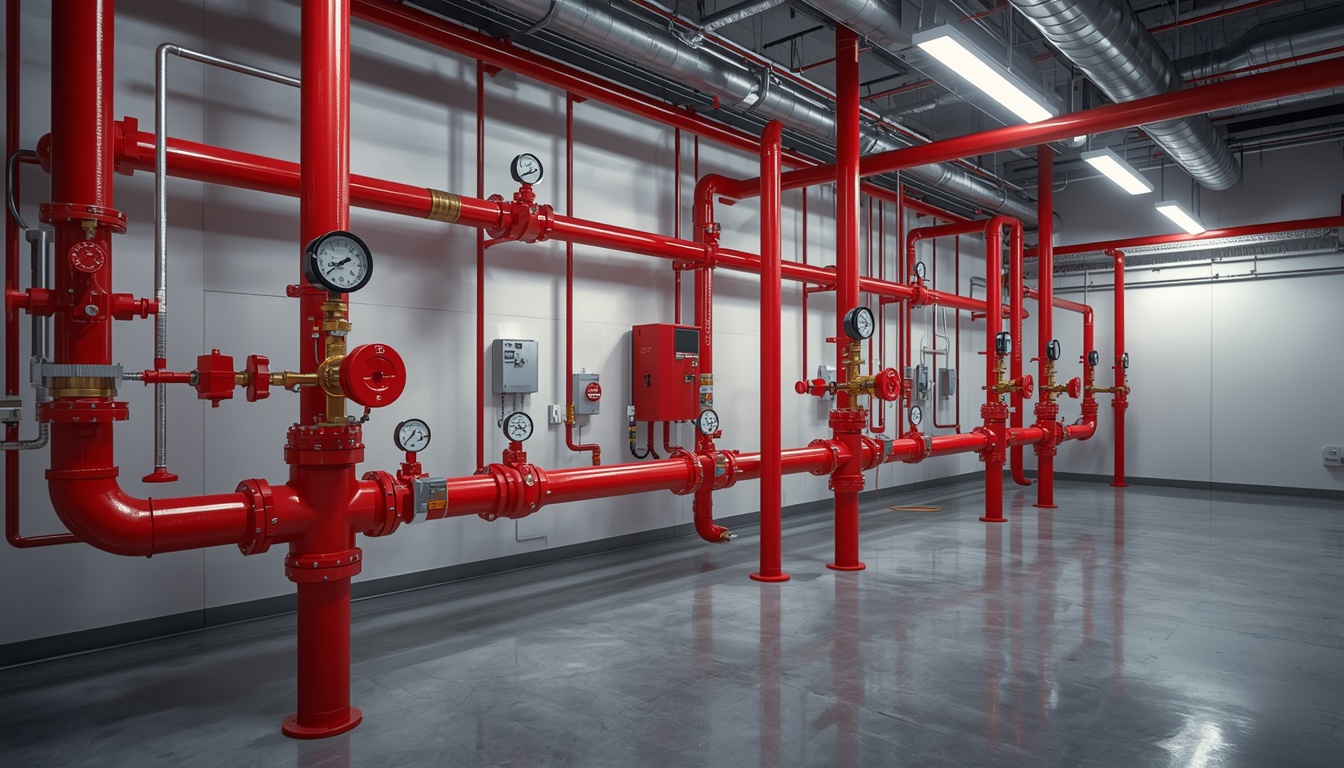
West Metro Fire Rescue is the Authority Having Jurisdiction for Wheat Ridge and conducts the fire inspections for commercial, multi-family, and institutional properties in the city. Its non-emergency line is (303) 989-4307, and permitting and code information is at https://www.westmetrofire.org/. We schedule inspection and testing work with your on-site team and format every deficiency list to match what West Metro Fire Rescue’s prevention staff expect, so corrections get signed off without rework.
Wheat Ridge is small and dense with older buildings, so our work concentrates along a few corridors — 38th Avenue, Wadsworth, 44th, and the I-70 frontage — plus the residential blocks in Applewood, Fruitdale, and Prospect Valley. Below are the areas our technicians cover most often.
Wheat Ridge’s main street — small restaurants, breweries, and converted storefronts where change-of-use triggers hood suppression and sprinkler upgrades in un-sprinklered bungalow-era buildings.
The city’s primary commercial spine; aging strip retail, auto shops, and banks with legacy wet systems and dated fire alarm panels due for replacement.
Larger-lot postwar and mid-century homes on the west side near I-70; NFPA 13D residential sprinkler and monitored-alarm retrofits common at major remodels.
Recreation and event facilities along the creek; assembly-occupancy alarm, extinguisher, and exit-marking scopes at park buildings and event tenants.
Older bungalow neighborhood with the redeveloped Fruitdale School lofts; adaptive-reuse buildings carry full sprinkler and alarm stacks the surrounding houses don’t.
Hotels, chain retail, and quick-service tenants at the interstate off-ramp; kitchen-hood suppression, sprinklered canopies, and voice alarm inspections.
Wheat Ridge’s largest institutional employer; medical office buildings and clinics with full life-safety systems, clean-agent suppression, and smoke-control requirements.
Older commercial storefronts and service businesses; small-footprint tenant spaces where sprinkler obstruction and extinguisher placement are recurring findings.
Established single-family blocks; legacy smoke-detection layouts and monitored residential alarms at remodel and resale.
Light industrial, warehouse, and flex space north of the interstate; wet and dry sprinkler systems, fire pump testing, and rack-storage commodity questions.
Compact 1950s–60s subdivision east of Kipling; older homes hitting NFPA 13D triggers when additions push past the remodel threshold.
Grocery-anchored and big-box retail near the Applewood shopping area; large-format sprinkler systems, FDC checks, and hood suppression at food tenants.
Every service below is run by NICET- or CSA-certified technicians, with reports formatted to West Metro Fire Rescue’s preferred deficiency-list layout — so corrections on Wheat Ridge’s older buildings clear without a second inspection.
Sprinklers, alarms, extinguishers, backflow, and suppression — each system on its own code-driven cadence, documented in a single West Metro–formatted report a Wheat Ridge inspector will accept the first time.
Wet, dry, and standpipe systems exercised per NFPA 25 — including the aging wet systems in Wadsworth-corridor retail. Main-drain tests, valve supervision, and a prioritized deficiency list on every visit.
Initiating devices, notification appliances, control panels, and secondary power tested to NFPA 72 by NICET-certified technicians — including the dated panels common in 44th Avenue and Wadsworth storefronts.
UL-listed central station monitoring with signal verification, fire-watch protocols, and direct dispatch to West Metro Fire Rescue when an alarm confirms.
Annual cross-connection control testing for irrigation, fire-line, and domestic backflow preventers, with certification filed to the water district serving your Wheat Ridge property.
Annual inspections, six-year maintenance, twelve-year hydrostatic testing, and on-site recharging for Class A through Class K — routine work at the small restaurants and auto shops along 38th and 44th.
UL-300 wet-chemical and Ansul R-102 systems inspected, tested, and tagged per NFPA 96 and 17A — the recurring scope as the Ridge at 38 district converts old retail into restaurants and breweries.
FM-200, Novec 1230, and CO₂ systems for server rooms, imaging suites, and equipment closets — most common around the Lutheran Medical Center campus and its medical office buildings.
Change-of-use and remodel code review for older Wheat Ridge buildings, West Metro plan-review coordination, and deficiency-correction project management for storefront owners and property managers.
These are the recurring deficiency categories we see across Wheat Ridge properties, weighted toward the older building stock along 38th, Wadsworth, and 44th. None of this is a citation from a specific property — it’s the pattern of findings our technicians document and correct most frequently in this jurisdiction.
On 38th Avenue and Wadsworth, retail shells built without sprinklers become restaurants or breweries and inherit hood-suppression and sprinkler requirements the tenant didn’t plan for. We flag the trigger before you sign the lease and scope the retrofit so West Metro signs off without a stop-work.
The tight footprints along 44th and 38th mean shelving, ductwork, and tenant build-outs crowd sprinkler deflectors fast. We measure clearance to the inch and document the correction so the fix is approved on the first re-check.
Sealed lead-acid backup batteries have a 4–5 year service life, and the dated panels in Wadsworth-corridor retail routinely fail load tests. We track every panel’s battery age and replace proactively instead of waiting for a red tag.
Older wet systems in Wheat Ridge’s postwar commercial buildings often have faded, missing, or original-calculation hydraulic placards. West Metro requires a verified nameplate for every system — we re-calculate and re-placard in-house.
Pre-UL-300 wet-chemical systems still turn up in older 38th and 44th Avenue kitchens. West Metro flags them at tenant turnover — we inventory hood systems by hazard class and schedule UL-300 conversions ahead of your next renewal.
A common West Metro finding along the retail corridors — missing or broken FDC caps let debris into the check valve and can fail an inspection outright. We carry replacements on the truck and install them on the spot.
Irrigation and fire-line backflow preventers require annual testing by a certified cross-connection tester. We test, tag, and file the certification directly with the water district serving the property so nothing lapses.
Wheat Ridge is mostly built out with 1950s and 1960s single-family homes — brick and frame bungalows and ranches on modest lots, with larger mid-century properties in Applewood on the west side. Commercial property is small-format and older: strip retail and service buildings along Wadsworth, 44th, and 38th Avenue, much of it predating modern sprinkler requirements, which turns nearly every change-of-use or major remodel on 38th into a retrofit conversation. The Ridge at 38 district has pulled restaurants and breweries into former retail shells, adding kitchen-hood suppression and sprinkler scope to buildings that never had it. Institutional density centers on the Lutheran Medical Center campus and its surrounding medical office buildings, while light-industrial and warehouse space sits along the I-70 frontage in the north end of the city.
West Metro Fire Rescue is the AHJ for Wheat Ridge. West Metro’s fire-prevention division issues permits, conducts on-site inspections, and reviews sprinkler, alarm, and underground fire-line submittals for properties inside the city. Red Rocks Fire Protection is a private contractor — we perform the inspections, testing, and repairs, then submit reports West Metro accepts.
Often, yes. Many of the older storefronts in the Ridge at 38 district went up before modern sprinkler requirements, and a change of use to a restaurant or brewery — plus commercial cooking — can trigger sprinkler and NFPA 96 hood-suppression requirements under the IFC as adopted by West Metro. We review the specific occupancy change before you commit to a lease so you know the scope up front, not after a failed plan review.
Per NFPA 25 and the IFC as adopted by West Metro Fire Rescue, wet-pipe sprinkler systems require quarterly and annual inspections, with an internal inspection every 5 years. Dry-pipe systems add quarterly trip tests and a 3-year full-flow trip test. We track every cadence for every system we service and email you 30 days before a test is due.
Most commercial fire alarm inspections in Wheat Ridge run 2 to 4 hours, depending on device count and how many initiating devices need functional testing. Smaller storefronts on 38th and 44th are usually on the shorter end. We coordinate with on-site staff so tenant disruption is minimal and can run inspections after-hours for occupied retail.
Yes. NFPA 96 and the IFC as adopted in Colorado require automatic fire-extinguishing systems for commercial cooking operations, covering the hood, duct, and plenum. UL-300 wet-chemical systems are the current standard. Older systems are sometimes grandfathered but typically need replacement at tenant turnover or major renovation — a frequent scope as the 38th Avenue district converts old retail to food service.
Yes. We inspect, test, and maintain NFPA 13D residential sprinkler systems, most often in larger Applewood remodels and additions and in adaptive-reuse residential like the Fruitdale School lofts. We also handle monitored residential alarm and smoke-detection systems in the city’s older Prospect Valley and 32nd Avenue neighborhoods.
Our office sits in the south Denver metro, and Wheat Ridge is a short run up the west side of the metro, so our emergency response window for fire-protection emergencies is typically under 90 minutes — usually faster. We staff a 24/7 emergency line and dispatch the same technicians who know your property, not a call center.
Choosing the right life safety partner for your properties is about more than maintaining systems and meeting requirements. It's about having a local team you can trust to communicate clearly, advocate for you, stay ahead of compliance, and take responsibility for protecting your people and property across the Front Range.
At Red Rocks Fire Protection Services, we want to be more than another vendor. We want to be your trusted life safety partner for years to come.
Ready to start the conversation? Call us at (720) 733-8050 or Contact Us to connect with our team.
Want to learn more about what makes Red Rocks Fire Protection Services different?
Explore the pages below to discover our commitment to safety, our purpose, and the promises that guide every relationship we build.